
Anisuzzaman Chowdhury is an experienced business leader with interests spanning an array of different market sectors, including pharmaceuticals, construction, energy and banking. This article will explore the topic of business strategy, providing tips and pointers to help entrepreneurs and business owners hone their problem-solving capabilities.
In business, problem-solving relies on established processes to mitigate risks or sidestep hurdles that are hindering the business from achieving its strategic goals. Problem-solving requires business leaders to overcome complex issues that may affect a single team, an operational process or the company as a whole.
To formulate effective remedies to ongoing issues requires leadership to conduct a thorough evaluation of the situation, exploring all possible solutions, prioritising execution and measuring success. While some say that problem-solving is a skill that comes naturally, in reality it is a competency that can be developed and refined over time. The attached video contains an overview of common obstacles faced by business owners today.
Business problem-solving requires leaders to define the issue, investigating its root cause and gaining a thorough grasp of its full scope. The next step is conducting market research, seeking out patterns in customer feedback to reveal specific pain points. The business should also carry out a SWOT analysis, determining whether the problem should take priority based on how it impacts the organisation. Decision-makers then need to identify and weigh up the various potential solutions, seeking input from additional stakeholders and vetting ideas, leveraging growth planning to keep the plan simple and dynamic.
Using a strict and repeatable format can help enhance problem-solving, enabling decision-makers to set deadlines and delineate possible outcomes. Decision-makers will also need to model financial outcomes, monitoring cashflow and tracking key metrics to measure progress and gauge whether adjustments are neede
When challenges arise, it can be tempting to pursue the first and most obvious solution. However, it is crucial to identify the root cause of the problem rather than merely treating its symptoms. While the latter approach may offer short-term relief, without addressing the underlying issue it is likely to resurface before very long.
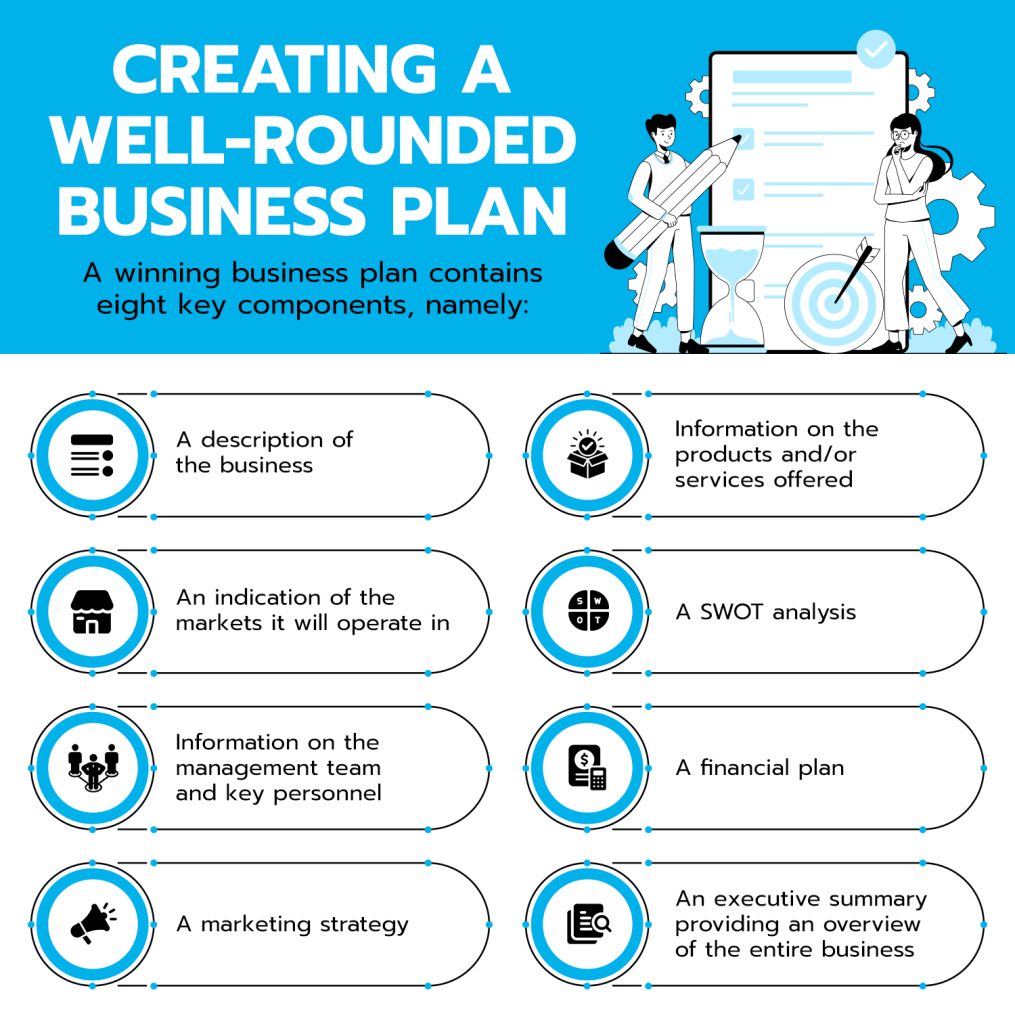
Collaboration and contingency planning help teams to tackle problems head-on, transforming stumbling blocks into golden opportunities. In the fast-paced world of businesses, challenges are inevitable. It is how the business leader tackles these hurdles that makes all the difference, and the importance of adept problem-solving capabilities cannot be overstated. The attached infographic delves deeper into business strategy, providing an overview of the key components of a well-crafted business plan.